LOW CARBON TOURISM
IN NEPAL
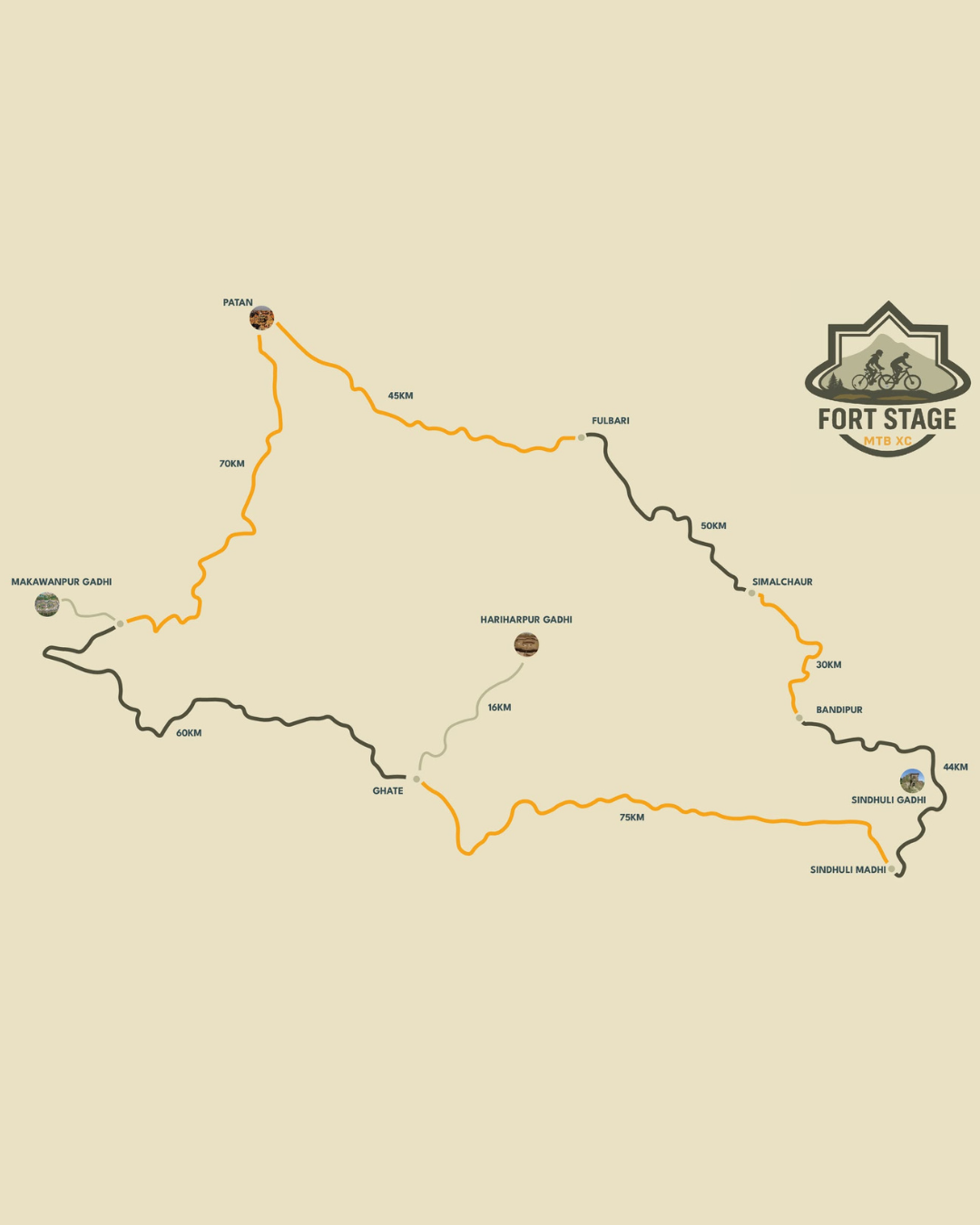
StoryCycle, in collaboration with various local government units (LGUs), the Nepal Tourism Board (NTB), impacts locals and grassroots community networks, is mapping the lifecycle of experiential travel corridors across Nepal.
By evaluating supply chain emissions through this framework, we equip local hospitality operators and tourism committees with data-driven resources (Toolkits) to monitor and minimize their carbon footprints. This systemic approach transforms rural tourism into a structural pillar of the Creative Green Economy (CGE)
THE CARBON TOOLKIT PROCESS
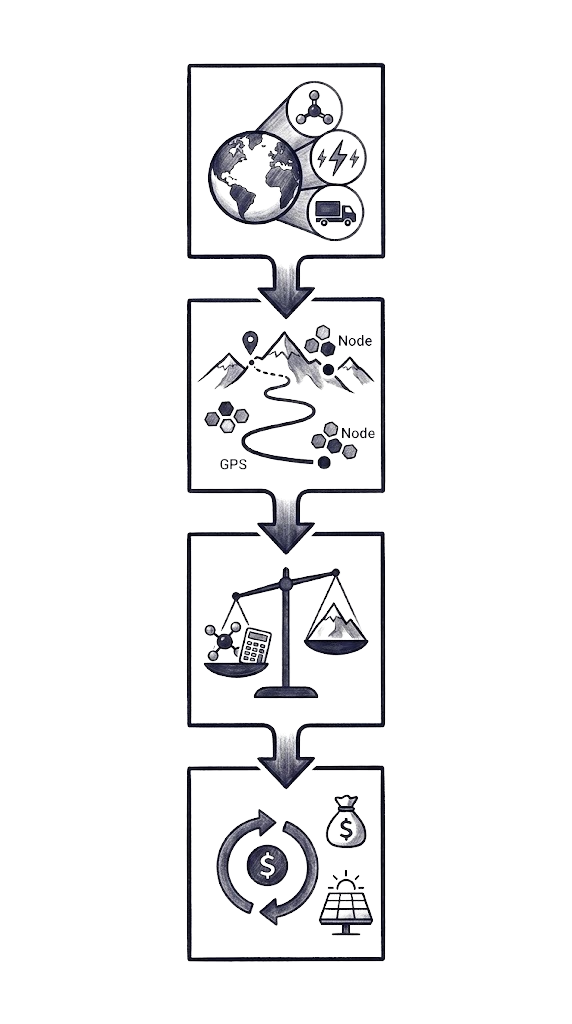
In alignment with our circular frameworks for the heritage craft sector, we adapt a rigorous 4-step Life Cycle Assessment (LCA) model to track, manage, and decarbonize the entire traveler journey:
Understand Carbon
Isolating and categorizing all traveler activities—from initial transit and lodging energy usage to food sourcing and solid waste disposal—into direct and indirect emission scopes (Scope 1, 2, and 3)
Map Life Cycle
Digitally tracking the physical route and settlement clusters (Nodes) via GPS mapping and open data ledgers.
Measure Carbon
Applying country-specific, topographically calibrated emission factors for Nepal’s mid-hills to generate a highly accurate Greenhouse Gas (GHG) baseline inventory.
Apply Results
Translating data into actionable Standard Operating Procedures (SOPs), installing renewable energy backups (Solar/Biogas), and channeling verified carbon savings directly back to the local stewards.
NEPAL’S TOURISM EMISSION LANDSCAPE
.
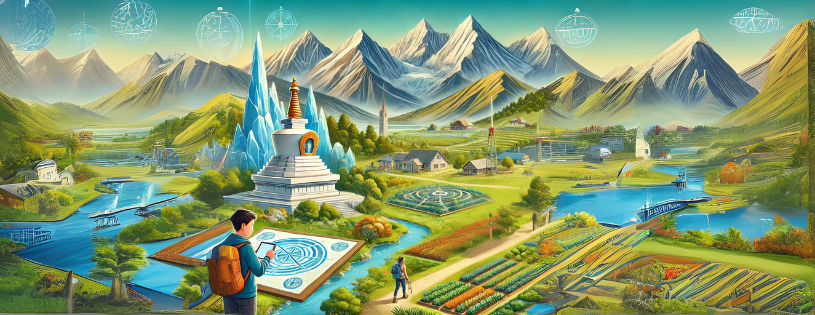
While tourism remains a vital contributor to Nepal’s national GDP and rural employment, traditional mass-tourism models create a high carbon density alongside profound economic leakage (where up to 80% of travelers spend leaves the local community). Furthermore, as Nepal graduates from the Least Developed Country (LDC) category, the sector must urgently adapt to tightening global sustainability regulations. This integrated methodology transforms tourism from an isolated, project-based adaptation model into a national, data-backed strategy. Our metrics are built to directly fulfill the core mandates of Nepal’s National Adaptation Plan (NAP 2021–2050) and the Federal Tourism Policy 2082.
Low carbon Destination and Product:
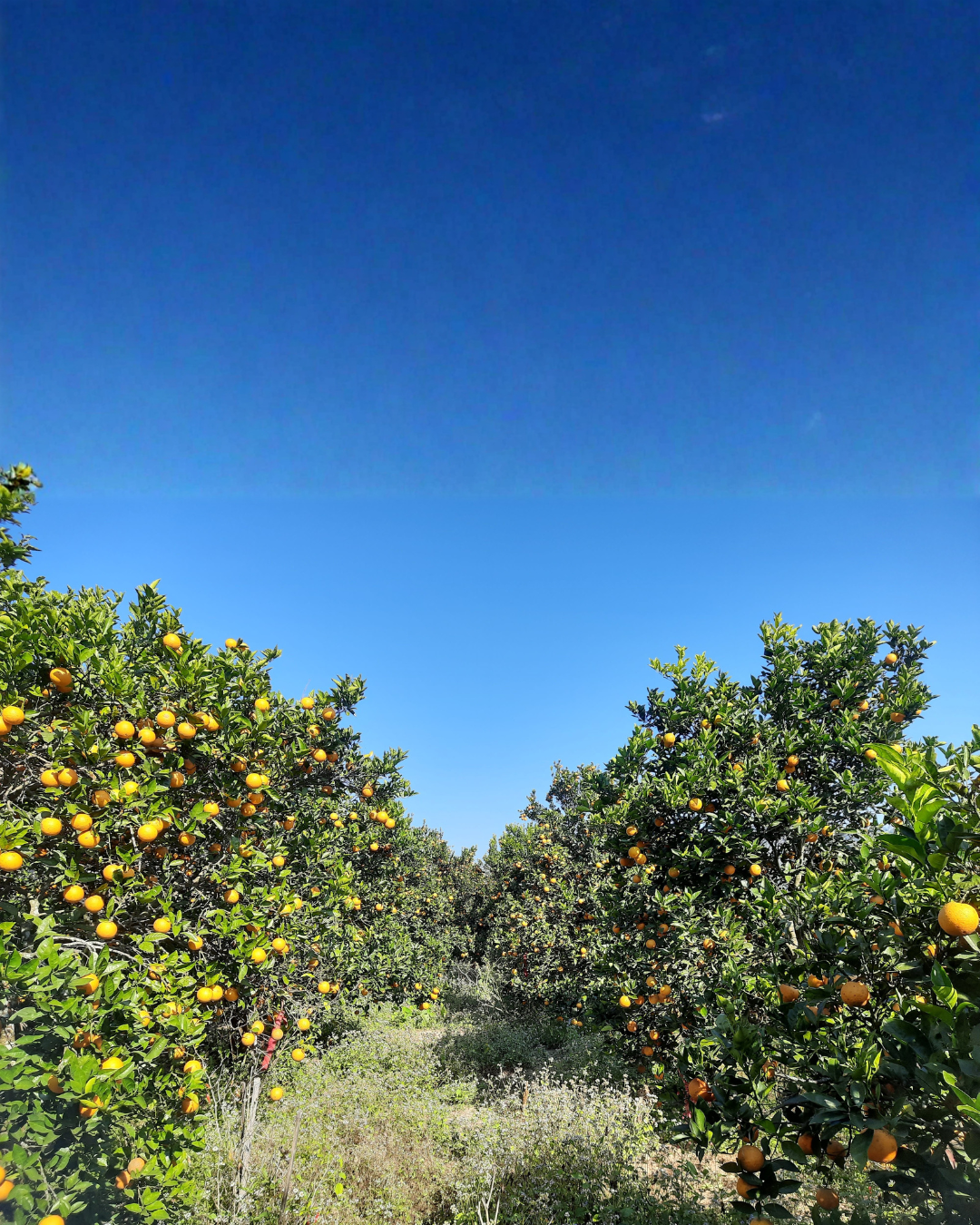
Sweet Orange Garden Festival
26-31 Dec. 2027